Unlock the UK Market: A Bold Guide to UK Company Formation for Foreign Entrepreneurs

Hey there, ambitious founder! Ever looked at the UK and thought, “That’s where I want my brand’s flag to fly”? You’re not alone. The United Kingdom isn’t just about afternoon tea, royal drama, and cloudy weather. It’s actually one of the most vibrant, business-friendly ecosystems on the planet. And the best part? You don’t even have to live there to own a piece of it.
Whether you’re a digital nomad in Bali, a tech wizard in Bangalore, or a retail mogul in Rio, setting up a UK Limited Company is like getting a VIP pass to the global economy. In this guide, we’re going to dive deep into how you can make this dream a reality, why it’s a total game-changer, and how to navigate the paperwork without losing your mind.


Why the UK? (The No-Brainer Benefits)
Let’s be real: why bother with the UK when you could incorporate anywhere? Because the UK brings a level of prestige that’s hard to beat. When you send an invoice from a “Limited” company registered in London, people take you seriously.
Firstly, the ease of doing business is incredible. You can literally register a company in under 24 hours. No joke. Secondly, the tax system is relatively straightforward. While corporate tax rates shift, they remain competitive compared to much of Europe. Plus, you get access to a massive network of investors, world-class banking, and a legal system that’s respected globally.

The Step-by-Step Breakdown
Setting up a UK company as a non-resident might sound like a bureaucratic nightmare, but it’s actually quite streamlined. Here’s how the magic happens:
#
1. Pick a Name That Pops
Your name is your brand. It has to be unique. You can’t use anything too similar to an existing company, and you definitely can’t use protected words like “Royal” or “British” unless you’ve got some serious connections (or permission). Check the Companies House register first to ensure your dream name is available.
#
2. Choose Your Company Type
For 99% of you reading this, a “Private Limited Company” (Ltd) is the way to go. It protects your personal assets, meaning if the business goes south, your personal bank account stays safe. It’s the gold standard for startups.
#
3. The Registered Office Address
Here’s the catch for foreign entrepreneurs: you MUST have a physical address in the UK for your registered office. This is where official mail from HMRC (the tax people) and Companies House goes. But don’t pack your bags just yet! You don’t need to rent an expensive office in Soho. You can use a virtual office service that provides you with a prestigious London address and forwards your mail digitally.
#
4. Appoint Directors and Shareholders
In the UK, you can be the sole director and the sole shareholder. That’s right—you can be the whole team! You don’t need to be a UK resident or citizen. You just need to provide your details and a service address (which can also be your virtual office address to keep your home address private).
The Banking Hurdle (And How to Jump It)
If there’s one thing that trips up foreign entrepreneurs, it’s opening a traditional UK bank account. High-street banks like Barclays or HSBC can be… let’s say, “traditional.” They often want you to be a UK resident.
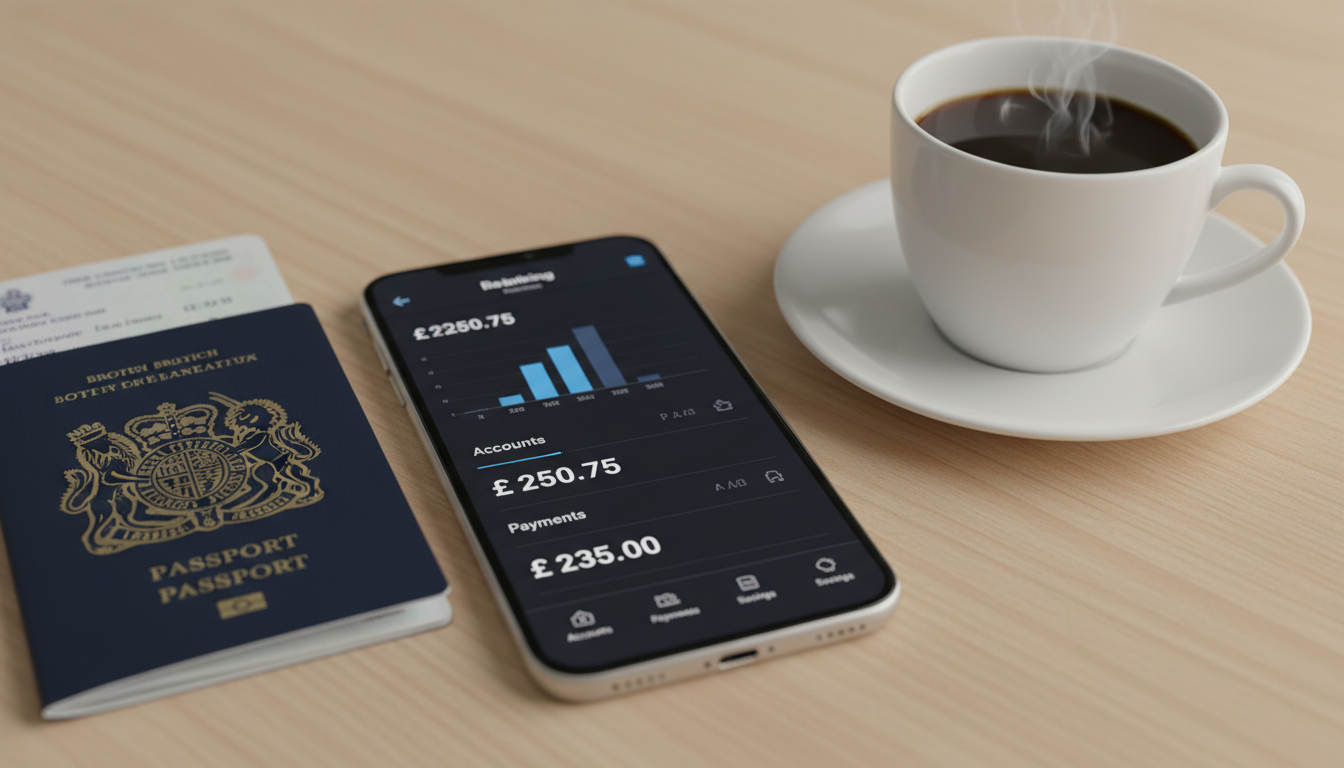
But don’t panic! The fintech revolution has your back. Digital banks like Wise Business, Revolut Business, or Tide are absolute life-savers. They allow non-residents to open UK business accounts with local sort codes and account numbers. You can manage everything from your phone, swap currencies at the real exchange rate, and get paid by UK clients as if you were sitting in a London cafe.
Let’s Talk Taxes (The Boring but Important Bit)
Once you’re registered, you’re in the system. You’ll need to deal with Corporation Tax. Currently, you pay tax on your profits after expenses. You’ll also need to keep an eye on the VAT (Value Added Tax) threshold. If your UK turnover exceeds £90,000 (as of 2024), you must register for VAT.
Is it complicated? It can be. But here’s a pro tip: hire a UK-based cloud accountant. With tools like Xero or QuickBooks, they can manage your books remotely, ensuring you stay on the right side of the law while you focus on growing your empire.
Compliance: Don’t Set It and Forget It
Running a UK company comes with a few chores. Every year, you’ll need to file a Confirmation Statement (to prove your company details are still correct) and Annual Accounts. Even if your company isn’t trading yet, you still have to file “dormant” accounts. Missing these deadlines can lead to fines, and nobody wants to give the government free money, right?
The Persuasive Truth: Why Now?
The world is shrinking. The barriers that used to stop a brilliant mind in Lagos or Lima from competing on the global stage are crumbling. A UK company is more than just a legal entity; it’s a signal to the world that you are a professional, international player.
Think about it. You get access to the UK’s 100+ double taxation treaties, meaning you won’t get taxed twice on the same income. You get the ability to sell on Amazon UK with ease. You get the trust of European customers who prefer dealing with a UK-regulated entity.
Final Thoughts
So, what’s holding you back? The cost of formation is remarkably low—often less than the price of a fancy dinner. The process is digital. The opportunities are endless.
Stop dreaming about “one day” and start building your British legacy today. Whether you’re selling software, consulting, or physical goods, the UK is open for business, and they’re waiting for an entrepreneur exactly like you. Take the leap, get your Ltd status, and let’s show the world what you’ve got!
Ready to start? Your UK journey begins with that first click. Go get ’em!